Key Takeaways
- Kids can have a first eye exam around 6 months old, another at age 3, and one before starting school.
- School-age kids and teens benefit from yearly eye exams.
- Adults 18 to 64 without risk factors can often book eye exams every 1–2 years, while adults 65+ benefit from yearly exams. Your optometrist will recommend an eye exam schedule based on your health and your vision needs.
- Diabetes, family history, and certain medications can mean more frequent visits.
Eye Exam Frequency Depends on Age & Health
Kids and adults 65+ generally benefit from yearly eye exams, while healthy adults between 18 and 64 should generally book every 1–2 years. Your optometrist will recommend a schedule based on your personal circumstances. A comprehensive eye exam with our team at Northwest Vision Source considers both your vision and the health of your eyes in order to help keep your seeing clearly.
Why Regular Eye Exams Matter at Every Age
A school vision check or reading an eye chart at the DMV tells you how well you see letters across a room. A full eye exam goes further and involves a variety of tests designed to assess the overall health of your eyes.
Many eye conditions, like glaucoma and diabetic retinopathy, show no or few symptoms in their early signs. This means that you can feel fine right up until you experience permanent changes. Eye exams help your eye doctor catch potential eye health problems while you still have more options for treatment.
How Often Should Kids Get an Eye Exam?
Babies & Toddlers
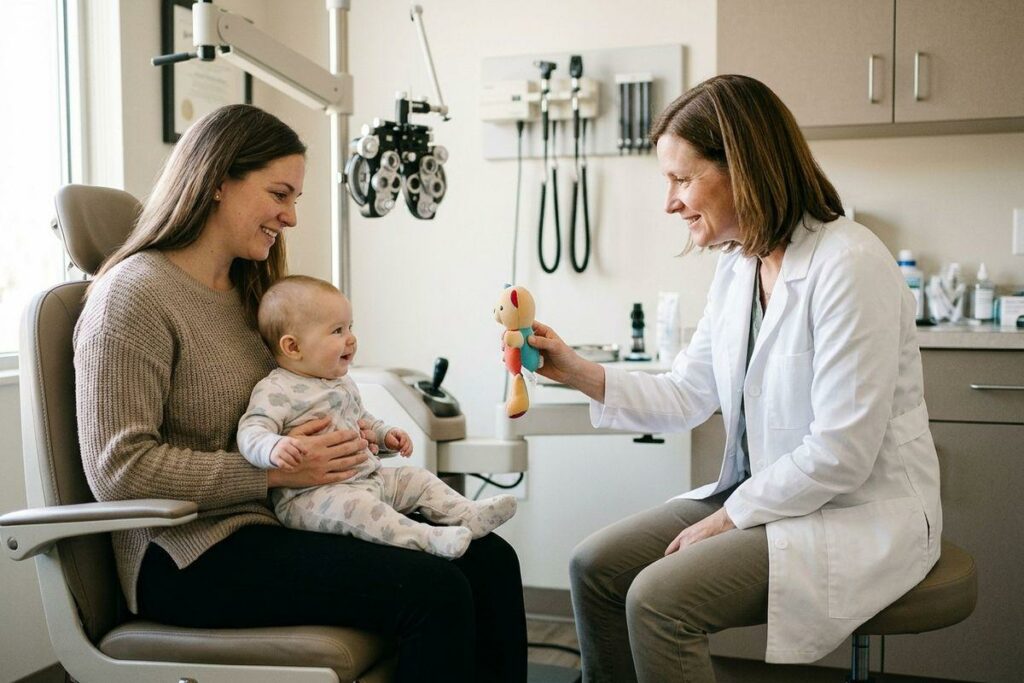
Your baby can have a first eye exam around 6–12 months old. This early visit gives your eye doctor a starting point for your child’s eye health. After that, we usually advise another exam between 3–5.
School-Age Kids & Teens
Plan one exam before your child starts school, then yearly exams to help you keep up as your child grows.
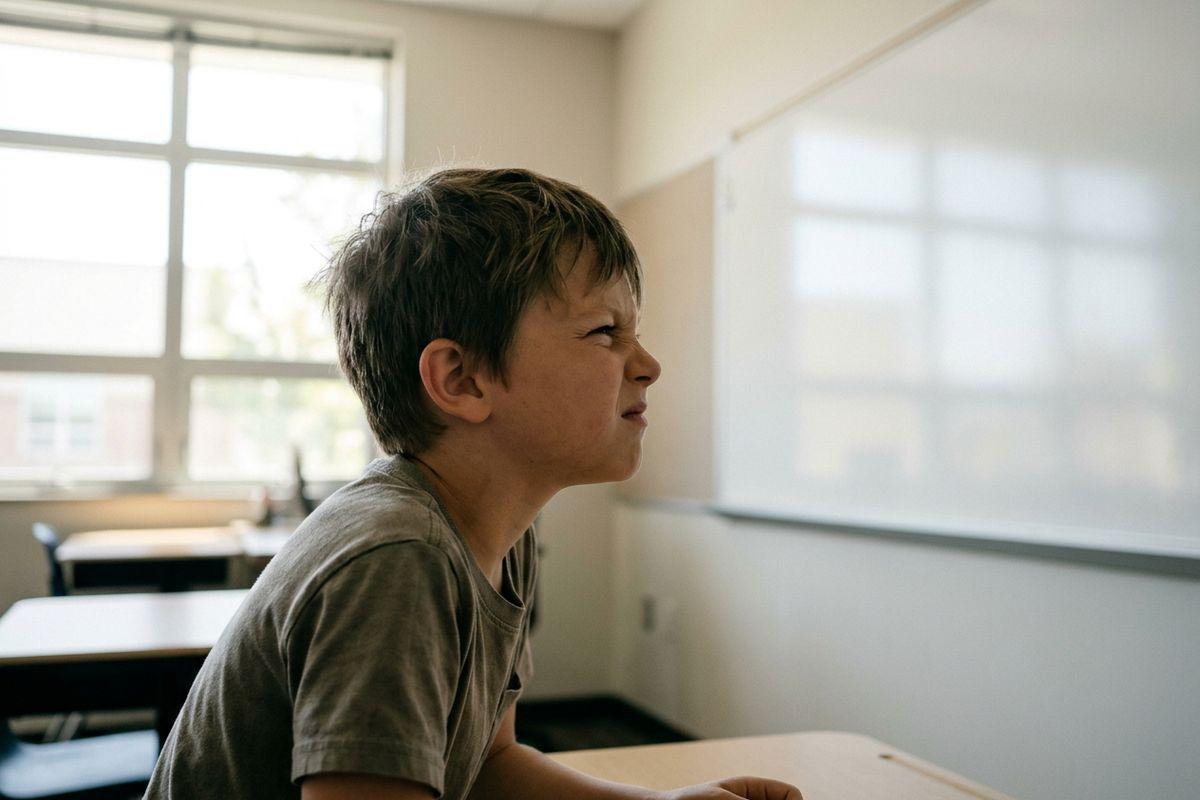
Vision problems can affect learning, but they often go unnoticed without eye exams. A child who squints at the whiteboard or loses their place while reading might not realize that their vision isn’t normal, so they might not seek the help they need.
How Often Should Adults Get an Eye Exam?
Adults 18 to 64
If you’re healthy and have no risk factors, an eye exam at least once every 2 years. These visits help keep your glasses and contact lens prescriptions. They also allow us to monitor any changes in your vision.
If you have risk factors for vision-related issues, such as diabetes or contact lens wear, you should visit your optometrist at least yearly.
Depending on your situation, your eye doctor may recommend a different eye exam schedule than what we described above. Ultimately, the right frequency depends on what’s right for your vision.
Adults 65+
Yearly exams are the standard recommendation for adults 65+. These appointments check for age-related issues like cataracts, glaucoma, and age-related macular degeneration (AMD). Regular eye exams give your eye doctor a chance to spot changes early.
When You May Need More Frequent Eye Exams
Health & Lifestyle Factors
Your eye doctor may suggest seeing you more often if any of these apply to you:
- You have diabetes, high blood pressure, or another ongoing health condition.
- A family member has glaucoma, cataracts, or AMD.
- You take certain medications or use tobacco.
- You wear contact lenses.
Signs You Should Book a Visit Sooner
Some changes are worth a visit before your next scheduled exam. These include:
- Your vision suddenly turns blurry.
- Light starts to bother your eyes.
- Your side vision changes.
- You get frequent headaches.
- Driving at night feels harder than before.
If any of these appear, or if a symptom persists or worsens, reach out to an eye doctor in Edmond for a visit.
Signs of a Possible Eye Emergency
The following all symptoms all require emergency eye care, as they might be signs of a serious problem.
- Pupils of differing sizes
- A sudden increase in floaters or sudden flashes of light
- Sudden headaches
- Double vision
- Discharge from the eye
Book Your Next Visit with an Eye Doctor in Edmond
When exams are years apart, it’s easy to lose track of your last one. Our team at Northwest Vision Source can tailor the timing of your next exam to your age, health, and family history, so you know when to come back. Reach out now to book a visit for you or your family.